When one thinks of a tradition, most often it is directly related to food. When one thinks of a celebration, the food takes center stage. When we attend a meeting, training, or other business event how often is there food there? How often does the food help us feel more excited about the dreaded event?
What would happen if you couldn't eat the food that's part of the tradition, celebration, meeting, training, or other business event?
When one thinks of dating, social activities, and friendly gatherings, where do these events take place? What do people do for fun? Most people go to restaurants, movie theaters, and parties where food again takes center stage.
What would happen if you couldn't eat the food that's part of dating, social activities, and friendly gatherings?
Life changes for the individual and their family, when one is diagnosed with a special dietary need, especially a life threatening one.
I remember Adam was about 18 months old. Our family of four had been shopping for the afternoon and it was around dinner time. My husband suggested that we go out to eat. Almost immediately after he suggested the idea he realized that we couldn't. Finding a place that would serve food for Adam was almost impossible. To this day we have only found two places, KFC and Unos. It is rare that we go to these places. Most often we pack food from home for all excursions,visits, and vacations.
It's easier to accommodate special dietary needs in babies. Once they become toddlers it becomes a bit more difficult. Naturally they see food and want to eat it. They have no knowledge of their special needs. We as parents become life guards. Everywhere we go we must keep them safe.
Going out is possible, but must be well planned. I can remember the first birthday party we went to when Adam was little. Thankfully the host was my best friend and she was more than supportive as I asked a million questions about the event, food being served, where the food would be located, how many people were coming, and so forth. The event was a success.
However, there have been many times where we have had to opt out of special events with extended family and friends because we couldn't keep Adam safe. On many of those occasions there were people who didn't understand and took offense. At times we've been ridiculed because of this.
And then there are those moments that almost tear your heart into pieces as you grieve for your child's loss. Like the first time Owen wasn't invited to a friend's birthday party because of his food allergies. I cried.
So, how do you prepare yourself for such drastic, life-altering changes and continue to have some sort of social life? Here are a few thoughts:
First, it might be helpful to take a step back and appreciate the enormity and complexity of the challenges that await you and your child, for a long time into the future. Any attempts you make at trying to attend a party or day trip in which you are doing your best to make things as safe as possible, are great successes and you should feel great about that! In counseling, this is called normalizing. Counselors use this tool to help their clients who are getting overwhelmed, either by the size and scope of a challenge, or burned out be being too critical of themselves. Raising a kid with special dietary needs is a tough job, and you are doing the best you can, so that should be acknowledged and celebrated! For example, we had a great experience taking our three kids (each with multiple food allergies) on a week's vacation to the beach. Even our faithful pediatrician shed some doubt on whether this was even possible. But, with sufficient planning and preparations, and great support from willing family members who agreed to "follow the rules" about what was allowed (or not) around the kids, we pulled it off. Necessity is the mother of invention, and you have probably come up with many great ideas for having fun with your kids in safe environments as well. This is not easy, and your child will certainly appreciate your efforts as they grow up.
Second, some perspective taking, beyond the normalizing step, might be helpful, to allow you to understand where people might be coming from if they seem insensitive or uncaring about your child's situation. Remember that someone who doesn't live with a major dietary challenge goes on with life not ever really thinking about what they can or can't safely eat, except maybe when you or your child are around. (not to mention that, most likely, if you don't suffer from a special dietary need yourself, you probably didn't think about them either before you had a child with one). Give people the benefit of the doubt, and try to consider their perspective before declaring open war on your Aunt Matilda for serving up a plate of cookies at her last gathering, right under the nose of your lactose or wheat intolerant child.
Questions:
How has the adjustment to life with special dietary needs been for you? Do you feel supported or unsupported by others? What has helped you to overcome those feelings of rejection or hurt?
Have you had any success in planning or participating in an event to make it accessible to your child with special dietary needs? What helped the most in getting people "on board" with making the needed changes?
Monday, March 7, 2011

Friday, February 11, 2011
Grieving the Diagnosis
Everyone grieves at one time or another in their life time. Whether it be over the loss of a loved one, an illness, relationship challenges, or the loss of a prized possession. Most often people experience the same emotions. One can sympathize with another because most likely they've experienced the same or very similar loss.
There are five steps in the grieving process according to Dr. Elizabeth Kubler Ross.
1. Denial and Isolation
2. Anger
3.Bargaining
4. Depression
5. Acceptance
The steps may not go in any specific order, but the ultimate resolution is acceptance of the loss.
When a loved one is diagnosed with a special dietary need, immediate family members grieve. But unlike the death of a loved one, that others have experienced, families with children of special dietary needs are often left to grieve by themselves. Others can not sympathize or relate (unless they too have the specific dietary need). Often times the lack of ability by others to sympathize or even empathize results in misunderstanding, lack of support, and often times frustration.
This can be extremely difficult for the family with a child who has special dietary needs. Often times they lose friends. They are viewed as "different" or "paranoid" or sometimes even "crazy." This particular kind of grief has been called disenfranchised grief, since there typically aren't any culturally-accepted practices for grieving this kind of loss. (When was the last time you went to a wake for wheat products for someone diagnosed with Celiac disease? Did you get a Hallmark card expressing condolences for your child's lactose intolerance? Didn't think so.)
So, knowing that other people might not be able to relate to, or even be willing to relate to, your grief over your child's diagnosis, the question becomes, how do you move through the grief cycle and arrive towards acceptance?
A suggested first step would be to identify where you are in the process. Allowing yourself to be in touch with whatever you might be feeling (and it might be many different feelings), is vital to the process of healing and arriving at some kind of peace about the diagnosis. It is also not easy, since it requires honest self-reflection and the feelings might not be exactly pleasant to experience. This sort of honest self-assessment is needed in order to begin moving through the stages, since failing to do this could result in being "stuck" in one of the stages and the grief will continue to be an overwhelming presence in your life for a long time.
Kubler-Ross believed that going through the stages in order (as they are listed above) was important, since the patients she studied seemed to do best when they followed that order. Other researchers have noted that not only are there perhaps fewer or different stages altogether, but that movement through each stage in a particular order is not necessary or even optimal. Furthermore, some research has suggested that is is quite normal to revisit one or more of the stages once or even several times each before arriving at some sort of acceptance, or to completely skip over some stages entirely. The key is doing whatever you need to do to move forward (slowly and unsteadily, most often), until the loss is manageable. (A great article in Time Magazine dated January 29, 2011 provides a good overview of some of the challenges to the Kubler-Ross model).
Despite the criticisms, however, the Kubler-Ross stages are useful for our discussion here, so a brief overview of each stage and how it might be experienced is provided below, along with ideas for how to move through each stage successfully.
1. Denial- The most well-known and obvious stage, and one that has some real potential for problems now and in the future if it is not dealt with somehow. With food allergies, we have found that this happens most when there hasn't been an "incident" with the allergen in a while, and the parents start to question how severe the reaction really was, or if it was real at all, or continued attempts to think that "maybe my child will grow out of it." The dangers here are obvious, so the key to dealing with this stage is to confront the doubt and uncertainty. This tip from the Mayo Clinic website sums it up well:
- Honestly ask yourself what you fear.
- Think about the potential negative consequences of not taking action.
- Allow yourself to express your fears and emotions.
- Try to identify irrational beliefs about your situation.
- Journal about your experience.
- Open up to a trusted confidante.
- Find a support group.
2. Anger- This one again is fairly self-explanatory, but also has a lot of potential for causing problems in your life if left unaddressed. This one can come quickly after getting through the denial, and with dietary needs, this can take the form of anger against God, or nature, (the "why me?" response), anger against people who are careless around your child with food, or unwilling to take it seriously, or the declining rate of invitations to birthday parties, holiday celebrations, family gatherings, etc. (lots of dairy and wheat products involved in those, aren't there?) There are many, many approaches to dealing with anger in general, but the main idea here is to acknowledge that it is okay to feel angry about the diagnosis, about the situations that arise, and people's attitude, but to not get stuck in that anger and take it out on others, etc. This one can be brief and healthy, if needed.
3. Bargaining- This one may or may not apply as often as the others, and is relatively short-lived, since it almost always leads the person to stage 4 (depression). The idea here is that you try to strike a deal with God or whomever or whatever force for good in the universe that you believe is "out there", offering to do good deeds, or quit smoking, or appreciate the small things, etc. in exchange for a remission of your child's special dietary issues. The quickest way through this stage is to realize that, well, it probably won't work, and so, you give up the pleading and continue on to...
4. Depression- This can take two main forms. One, depression about the specific things that you or your child lost upon arrival of the special dietary need. So, for someone with a severe peanut allergy, it's good-bye PB&Js, forever. The second form takes hold as the person with the special dietary need grows up and the implications and consequences of that need play out day to day, over the lifespan of the person. This stage is processed in a similar way to the anger stage, in that the key is to be aware of and in touch with the feelings of sadness and deal with them as they surface. This is not to be confused with clinical depression, which is the result of neurochemical interactions in the brain. However, if left to linger long enough, unresolved feelings of depression about your loss can lead to a depressive episode, so if this happens, it may be necessary to seek out professional help though a doctor of mental health worker.
5. Acceptance- peace, resolution, recovery, reconciliation- it has many different names, and when "it" finally arrives, the feelings associated with it are just as varied. As noted above, some form of acceptance might be experienced early on in the course of the special dietary need, but something could happen to you or your child along the way (loss of relationships, close calls with allergens, feeling different or isolated over time, the accumulation of related health issues, the high price of allergy-friendly living, etc.) that could trigger the onset or recurrence of one of the first four stages. The key again is openness about the feelings, communicating and a desire to move forward towards acceptance. A sense of humor doesn't hurt either ;)
Questions to consider and discuss:
So, what has your experience been with these stages? Have you been through any or all of them? Have you felt stuck on any? What have you done to help move yourself through them?
As mentioned earlier, this is a sort of disenfranchised grief, and you might have to go it alone, with little support from family, friends, schools, etc. So what has your experience been in those kinds of situations? How have you increased awareness or sensitivity towards your child's needs?
Remember, some folks have found that not everyone goes through (or even needs to go through) all five of the "classic" stages of grief, and there is no set pattern for moving through them that is perfect for everyone, so your experience with the grief process may be entirely different than anyone else's...and that is OK!
Thursday, January 27, 2011
Favorite Cake Recipes
Last month was Owen's birthday. We celebrated with a delicious cake. I must admit, our cakes have come a LONG way from when the kids were first diagnosed with their allergies. Of course it helps that Owen can now have wheat.
3/4 cup sugar (OR 1 tsp stevia)
1/2 cup butter, margarine or oil
2 eggs (OR 3 tsp egg replacer mixed with 4 TB water OR an extra banana)
1 cup mashed bananas with 1 tsp baking soda mixed in
2 Tb milk (cow, soy, rice) or water
1 tsp baking powder (OR 1/4 tsp baking soda mixed with 1/2 tsp of lemon juice)
1 3/4 cup flour (wh. or br. wheat, spelt, or rice flour OR my favorite mix: 1 cup br. rice flour, 2/3 cup chickpea flour, 1/3 cup tapioca flour – this mix can be used in place of wheat in almost all recipes)
pinch of salt
I decided it appropriate to post our favorite cake recipes. One of my friends from college wrote a post about her daughter's first birthday and how they didn't have cake because they couldn't find one she could eat. I felt horrible, knowing that I have so many different recipes. Here goes!
Banana Cupcakes
3/4 cup sugar (OR 1 tsp stevia)
1/2 cup butter, margarine or oil
2 eggs (OR 3 tsp egg replacer mixed with 4 TB water OR an extra banana)
1 cup mashed bananas with 1 tsp baking soda mixed in
2 Tb milk (cow, soy, rice) or water
1 tsp baking powder (OR 1/4 tsp baking soda mixed with 1/2 tsp of lemon juice)
1 3/4 cup flour (wh. or br. wheat, spelt, or rice flour OR my favorite mix: 1 cup br. rice flour, 2/3 cup chickpea flour, 1/3 cup tapioca flour – this mix can be used in place of wheat in almost all recipes)
pinch of salt
Bake cupcakes at 350 degrees F for 15-20 minutes.
This recipe is so versatile for almost every diet. Originally this was a banana bread recipe, and can be made in loaf form, however I found if I added some vanilla frosting, it made great cupcakes.
Vanilla Cupcakes
3 eggs (or 4.5 tsp egg replacer mixed with 6 TB water)
1 1/2 cups sugar (or 1 1/2 tsp stevia)
2 sticks of butter (or the equivalent of oil or margarine)
3 cups of rice flour
2 tsp baking powder (or 1/2 tsp baking soda mixed with 1 tsp lemon juice)
1 tsp baking soda
1/2 tsp salt
1/2 cup buttermilk (or 1 1/4 cups rice milk mixed with 1 1/2 TB lemon juice)
Bake at 350 degrees. 10-12 minutes for cupcakes.
3 eggs (or 4.5 tsp egg replacer mixed with 6 TB water)
1 1/2 cups sugar (or 1 1/2 tsp stevia)
2 sticks of butter (or the equivalent of oil or margarine)
3 cups of rice flour
2 tsp baking powder (or 1/2 tsp baking soda mixed with 1 tsp lemon juice)
1 tsp baking soda
1/2 tsp salt
1/2 cup buttermilk (or 1 1/4 cups rice milk mixed with 1 1/2 TB lemon juice)
Bake at 350 degrees. 10-12 minutes for cupcakes.
This recipe comes from The Kid Friendly Food Allergy Cookbook by Leslie Hammond and Lynne Marie Rominger.
Yellow Cake
1/2 cup margarine or oil
1 1/2 cups sugar
1 tsp. vanilla
1/2 teaspoon lemon extract (optional)
2 eggs (or 2 bananas or 2/3 cup pumpkin puree or 1 tbsp. egg replacer with 4 tbsp. water)
2 1/2 cups wheat flour (or gluten free flour mix)
1 1/2 tsp. baking powder
3/4 tsp. salt
3/4 cup water
Preheat the oven to 375 degrees and grease and flour the bottoms (not the sides) of three 8-inch round, two 9-inch round, or one 10-by 15-inch oblong cake pan(s). (I have only made cupcakes with this recipe, if you have to omit the egg, I'm uncertain if the cake will turn out.)
Cream the margarine (or substitute), sugar, and vanilla and lemon extracts well together; add the eggs (or substitute) and beat and beat until very light and fluffy. Sift the flour, salt, and baking powder together.
Add the water to the batter along with the sifted dry ingredients, and stir only until well mixed. Turn the batter into the prepared cake pans.
Bake until done; the layers take about 25 minutes, the oblong cake takes about 30 to 35 minutes. Cupcakes take 15 to 20 minutes.
This recipe is from The Milk-Free Kitchen by Beth Kidder, with substitutes added by me.
This is a delicious cake! We love to add allergy friendly chocolate chips to the batter or allergy friendly sprinkles to make it extra special.
Quick Chocolate Cake
1 1/2 cups flour
1/4 cup unsweetened cocoa powder
1 tsp. baking soda
1/4 tsp. salt
3/4 cup brown sugar, firmly packed
1/3 cup oil
1 cup water
1/2 tsp. vanilla
2 tbsp. almond liqueur (optional)
Preheat the oven to 350 degrees and grease a 9-inch round or an 8-inch square pan. Sift the flour, cocoa, baking soda, and salt together into a bowl. Measure the brown sugar and add it. (If the brown sugar is very lumpy, you may want to break the clumps up with your fingers.) Stir the dry ingredients well. Mix the oil, water, and vanilla together, then add them to the dry ingredients and stir just until all the dry bits are wet. Turn the batter into the prepared pan or cupcake liners. Bake the cake for 30 minutes. Bake cupcakes for 15 to 20 minutes.
This recipe is from The Milk-Free Kitchen by Beth Kidder.
We also love to add chocolate chips to this recipe too!
When it comes to frosting our cakes we use a basic recipe.
Frosting
3 cups sifted confectionery sugar
1/2 cup margarine
3-4 tbsp. water
If you want to make chocolate frosting subtract 1/3 cup sugar for 1/3 cup cocoa.
If you can't use any type or margarine, subtract it from the recipe, add more water a tbsp. at a time until desired consistency and add safe vanilla for flavor.
We are unable to use dyes at our home so instead I'll add fruit juices instead of water to make desired colors.
I do have many more cake recipes but these are the ones that I have tried myself and can guarantee results.
A couple things to remember:
Cakes made without eggs usually have difficulties cooking all the way through. It's easier to make cupcakes.
Cakes made with non wheat flours cook differently. Double check to make sure cake is done before removing it from the oven.
Margarine and oil can usually be used interchangeably. When oil is called for, applesauce can be used in its place.
Milk of any kind and water can usually be used interchangeably, although cakes with water tend to be a little bit more dense and dry.
Eggs can be replaced with egg replacer (a potato powder), bananas (one for one), pumpkin (1/3 cup per egg), and sometimes other fruits.
Enjoy!
Web Based Support
Our support group has been going for 4 months now. Attendance is sporadic. The main reason being the distance between those who want to come and the actual place the meetings are held. We know many people with special dietary needs, and come in contact with more and more every day. Yet, they all tend to live at least 30 minutes away if not more.
I had an epiphany today about how to make our Fun Without Food Support efforts more successful. It's time for web based support! Each month I will make it a priority to post a support post full of information, comfort, ideas, and more about specific topics parents of children with special needs diets encounter. If readers would like to hear about specific topics please leave a comment and tell us!
We will still continue our efforts in expanding our local support group. Meetings will continue to be scheduled and held in hopes that we can reach more people. Activities will continue as they are one of our main priorities. It is important to provide family fun without the worries. We welcome anyone and everyone to attend the Valentine's dance coming up in February.
Besides one support post once a month, I will post recipes I have found, celebration and holiday ideas, personal experiences, recommendations, and sometimes just random thoughts and stories. I welcome all comments and feedback. We are looking for blog followers to help make our efforts a success. This blog is not just about allergies, but about every type of special dietary need. We don't want to leave anyone out!
Each month we will showcase a specific dietary need. It is my hope that we can start reaching families, not just in our county or state, but across the United States and beyond!
Wish us luck!
Saturday, January 15, 2011
Pizza
Last weekend Jason and I decided it was time to start educating our 2 year old about his food allergies. We prepared allergy friendly chicken nuggets for the kids and ordered a pizza for ourselves. Believe it or not, our 2 year old has never seen a pizza, except for in a book or on a cartoon which wouldn't phase him that much.
We knew the dinner could be disastrous, but we had to start somewhere and it was best to start in our own home. I called Adam to the table as I brought the box into the house. Once he was up in his seat I opened the lid, making sure he was quite a distance away.
"Adam, this is pizza. Pizza is DANGER for Adam. It will make you sick." Adam just looked at me.
"Pizza?"
"Yes. Pizza is DANGER. DO NOT TOUCH! DO NOT EAT!" All three older children have an allergy to dairy or intolerance to lactose. Owen, 4, already understood. Although before his diagnosis, pizza used to be one of his favorite foods, even if it made him sick. Thankfully, tonight he was okay. Jason and I actually told Owen that if he wanted to try a piece he could, but it would probably make him sick. We haven't tested out his minor dairy allergy in about 6 months, so we figured this would be a good trial for him if he started to melt down about not being able to eat it.
To our surprise he helped in making sure that Adam didn't touch the pizza and refused it himself. He kept telling Adam how dangerous it was and how it would make him sick. Owen explained to Adam that it was okay for Mommy and Daddy to eat the pizza because they don't get sick. I was so impressed with my little learner/teacher.
Adam wanted the pizza box lid up the entire time so he could stare at the pizza. He licked his lips over and over, desperately wanting a bite. At times he would call it pasta. I guess it does look like pasta in a way. Both dishes have the same coloring. Adam is our Italian boy.
There were moments when I had to pull his hands back, so he wouldn't touch the cheese. It was then that we realized it would be very difficult to keep Adam safe. Even though he was sick for the first year of his life and then some afterwards, he doesn't understand what food does to him. This process of teaching him what he can and can not eat is going to take YEARS!
After dinner I was determined to find an alternative for the boys. Owen was missing out on one of the very few foods he will eat. You could tell Adam wanted desperately to eat pizza too. Finally I came across a cheese that could possibly work. Ingredients included pea protein and tapioca OR arrow root flour. I wasn't sure how Adam would respond to those, but we'd just have to see.
At 2:30 PM this afternoon Jason started clearing the kitchen so I could make homemade pizza dough. It had been YEARS since we had done that. Owen asked what Mommy was doing. I explained that I had found a way to make a pizza that would be safe for everyone. I continued to tell him that once the kitchen counter was clear I would start making it. The pizza would be ready to eat at dinner.
The process of making the dough and kneading it brought back so many wonderful memories of years past. The scent of the yeast filled the house. Jason and I reminisced about times past. Excitement filled my entire being thinking that we would all be able to eat pizza as a family regularly. Owen was so happy. Adam begged and begged for the pizza as I was preparing the dough. Strangely Lydia didn't fuss tonight while I was making dinner. It was all too good to be true.
It really was. As the freshly baked pizza came out of the oven I cut it into pieces and distributed them on the kids' plates. Carefully I cut up Lydia and Adam's slices into bite size pieces. Owen wanted his whole. The moment was here. It was time for everyone to sit down.
The minute Owen looked at his pizza he started to whine. Adam tried taking a bite. Jason and I believe that perhaps the pizza was still too hot, although I find that hard to believe. I had put each piece in the freezer to cool down. No matter what the problem was Adam spit the pizza out and started to cry. By this time Owen was screaming.
"It has cheese on it! I don't want cheese on it!" Calmly I tried to explain to Owen that pizza does have cheese on it. He couldn't grasp it. I took a knife and scraped the cheese off. Owen was still not satisfied. He continued to scream. Jason and I tried all that we could to calm him down. Finally, we took him to his room, where he continued to scream for 30 minutes. Adam threw his plate across the table begging for "Pops." Lydia actually did take a few bites, but didn't finish her slice.
I was about ready to cry. So many emotions were running through me at that moment. If it hadn't been for the memories and happy times the smells of the kitchen evoked... If Owen hadn't been so excited for me to make pizza he could eat... If I hadn't just spent over $10 trying to make a pizza that the kids could eat. I had just spent an entire afternoon in the kitchen, and for what? The sound of screaming children.
Once I had my own emotions under control I was ready to go up to Owen's room and talk to him. Owen has these expectations in his head about how things should be ALL the time. When something doesn't go as planned he loses it. When I say lose it, I mean LOSE it. He screams. The look in his eyes is as a mad man. His whole body shakes.
Jason and I had talked about what had happened. I didn't have time to make another pizza tonight. Honestly, I'm not sure how one would turn out without cheese, or if it would be what he expected. All I knew was that Owen's tantrum had come from his unmet expectations, not my slaving in the kitchen all afternoon to make a pizza.
Owen still needed to eat. I couldn't imagine how crushed he was about his pizza. He had been waiting for it for hours. I pulled out Lucky Charms I was storing, waiting for his birthday and some Finding Nemo Fruit Snacks I had just purchased to hand out to his class for his birthday at school this week. With the food in hand I went and talked to Owen. Thankfully he was able to move on and get past his pizza.
He LOVED his dinner of Lucky Charms and fruit snacks, although afterwards he said he didn't like the fruit snacks.
Lydia tried some fruit snacks and loved them. Feeling bad for Adam, since he can't eat them, I pulled out miniature marshmallows. They are one of Adam's favorite treats. He ate Corn Pops and marshmallows for dinner.
As Owen was eating his Lucky Charms I realized a difference between the cheese on his pizza and the real cheese on my pizza. His cheese had melted, but not all the way. You could still see each and every strand of cheese. That's the way it goes with non-dairy cheese. On Jason and my pizza, the cheese had completely melted with no lines. I had the idea to ask Owen if our pizza had cheese on it. He replied,
"No." It wasn't the actual cheese itself that bothered him, it was the presentation of it. So much for pizza in this house. You've gotta love typical Asberger Syndrome behaviors!
My reason for writing about this on this blog...
I feel this experience definitely encompasses why Fun Without Food is so important. With every child that has special dietary needs, food tends to bring out behaviors that we'd rather not see, especially in public. It can be just plain dangerous. More than anything having food around is not fun for the parent who plays life guard or referee.
Pizza will definitely not be in the house for a long time. I prefer to be happy.
Monday, November 29, 2010
Taking the Danger Out of Christmas
November's support group meeting went well, although I'd really love to see attendance triple or possibly quadruple for our next meeting. It's my Christmas wish! If you know of anyone interested in attending PLEASE share this blog with them. We welcome anyone with children who have any special dietary needs.
Our next support group is scheduled for Thursday, December 16th at 6:00 PM. I will be sharing MANY ways to enjoy the Christmas season without worrying about food. Please bring any nonfood ideas and/or traditions that your family has to share.
We will also be having an allergy friendly Christmas Cookie recipe exchange. Please bring copies of your favorite allergy friendly Christmas treat(s) recipe(s).
On Friday December 31st at 3 PM-5PM we will be having a Winter Wonderland Party. The event will be held outside if there is snow. Activities will include sledding, building snowmen, snow caves, and snowball fights. Please wear appropriate attire and bring sleds and nonfood items to make your snowman! If there is no snow, we will have a New Year's Eve Party, held at the same time.
We hope to see you there!!!
Monday, November 1, 2010
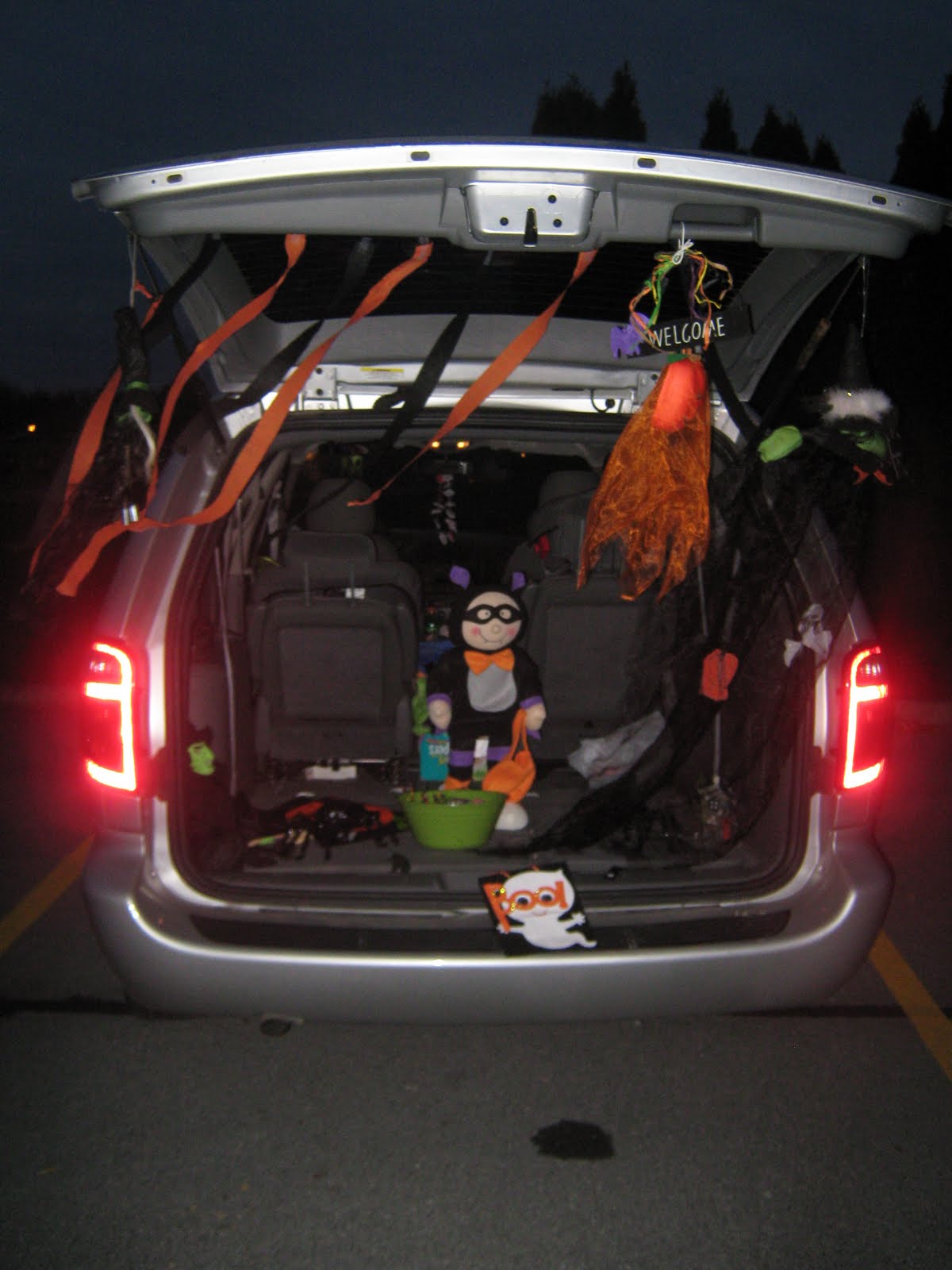
Fun Without Food Halloweeen Trunk or Treat




Subscribe to:
Posts (Atom)